
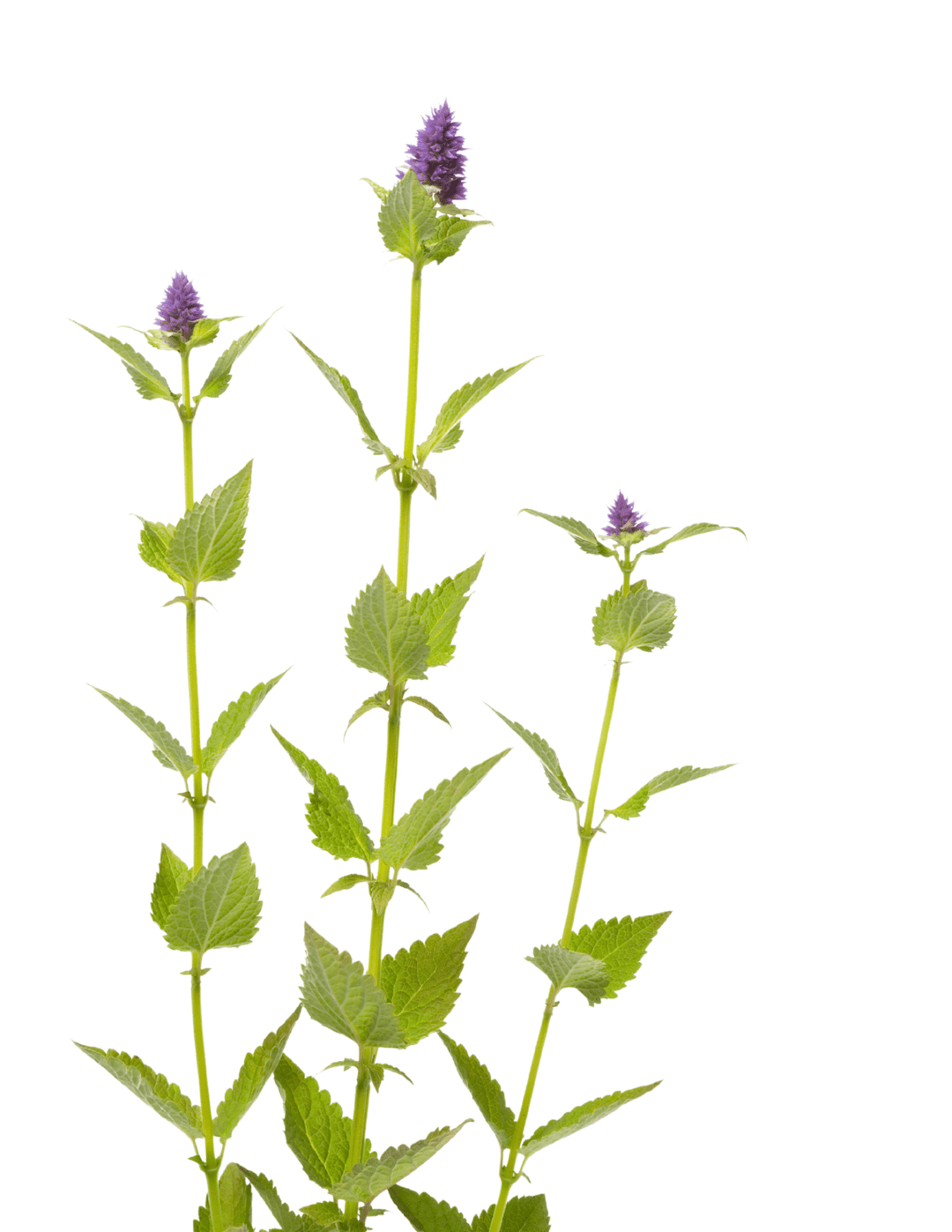
Organic Anise Hyssop Seeds - Agastache foeniculum
Organic Open-Pollinated Non-GMO Anise Hyssop Seeds
A gorgeous upright, native, perennial that brings beauty to the garden, nectar to the bees and an abundance of uses in the kitchen.
With an anise-like scent it has long been used among the Native Americans in herbal medicine.
Used as a dried tea, fresh in salads, as an infusion and many more uses. Known to be one of the first spring flowers, once plant is established!
Excellent as a border flower or as an accent to any herbal garden. Easily self-seeds. Aside from being beautiful, they are nectar rich and offer forage for many of our pollinator allies like bees, butterflies and hummingbirds!
Seed Profile
- Organic
- Non-GMO
- Perennial
- Sun: Full
- Native
- Attracts : Bees, butterflies and hummingbirds
- Deer Resistant
- Drought Tolerant
- Neonicotinoid-free
- Edible : Leaves & flowers
- Long Blooming
Gardener Tips
Keep soil moist while seeds are germinating. Resilient and beautiful, this wildflower will thrive in a prepared seed bed, loosened and weed-free.
If starting seeds indoors, it is key that your new starts be hardened off. This is a process that requires taking them outside during the day, for a period of time, before they are planted. This acclimates your seedlings to the outside world, meaning the elements like the wind and sun. We do it for several weeks to a month as this strengthens their stems and overall plant structure.
- Start for a short period of time initially, then graduate to more time each day
- One week minimum is recommended
- Bring them inside in the early evening and overnight
- Keep an eye on them and constantly water them. Make sure they have not blown over.
Harvesting Tips
We harvest anise hyssop once the plants are well established and beginning to bloom. The flavor is most vibrant just as the flowers start to open.
-
Leaves: Harvest anytime once the plant is 6–8" tall.
-
Flowers: Cut when blooms are freshly opened for peak aroma and nectar content.
-
Use clean, sharp shears.
-
Cut stems in the morning after dew has dried but before midday heat.
-
Harvest up to one-third of the plant at a time to encourage continued growth.
-
Regular cutting promotes bushier plants and extended blooming.
Culinary Tips
We recommend using them soon after harvest for the brightest flavor in:
-
Herbal teas
-
Salads
-
Fruit dishes
-
Summer beverages
Preservation Tips
Anise hyssop dries beautifully and properly dried herbs retain flavor for up to a year.
-
Gather small bundles and hang upside down in a warm, well-ventilated space out of direct sunlight.
-
Once fully dry, strip leaves and flowers from stems.
-
Store in airtight glass jars away from heat and light.
Seed Saving
Allow flower heads to dry fully on the plant before collecting.


